When driving from Liberia to Playa Flamingo you have options. The first, which I highly recommend, brings you in from the south through Huacas and Brasilito (some really cool shops here) and takes around an hour and a half. The second option, which requires a 4-wheel drive (though I did some smaller cars make it, but I wouldn’t advise it) brings you in from the north and take a hour and 10 mins. But, as you can see from the photos below, there’s a river crossing.
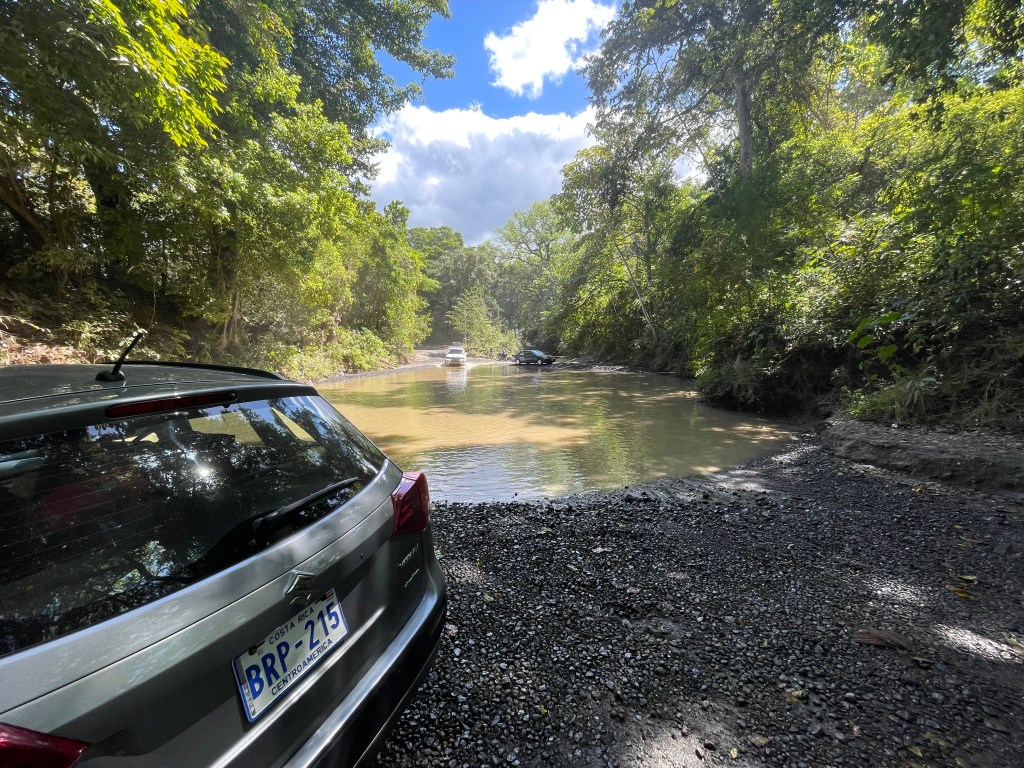
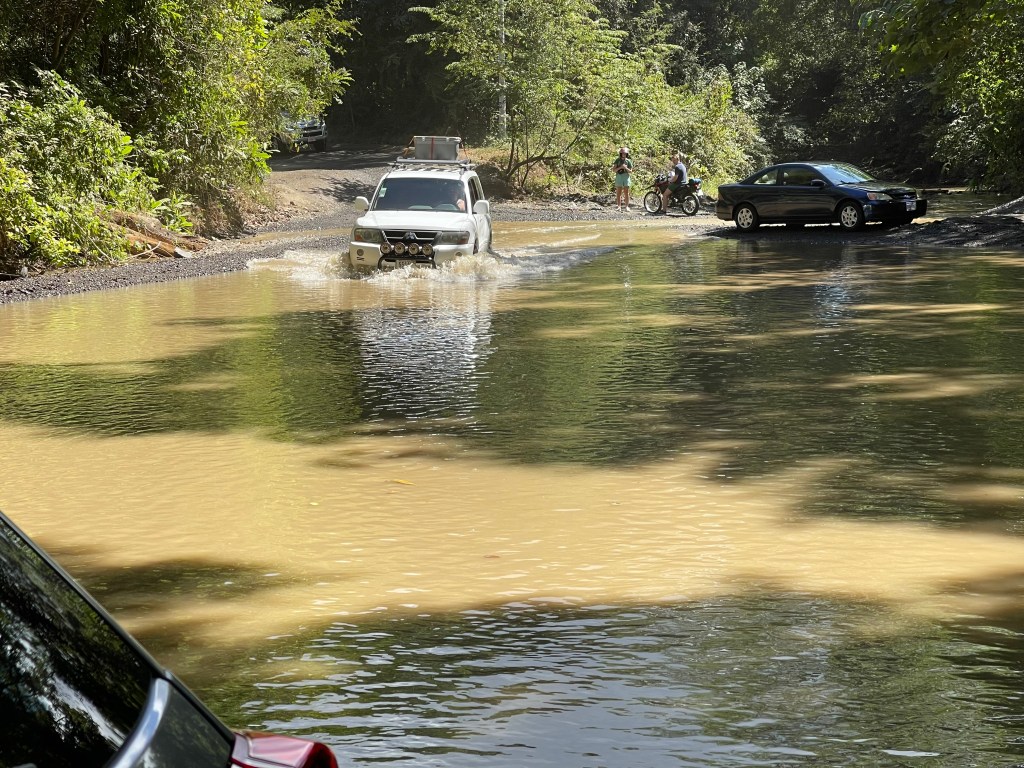
Something else to keep in mind, rental car companies have strict rules about NOT taking their cars through river crossings or on the beach.
Regardless of how you choose to get there, it will definitely be worth it!
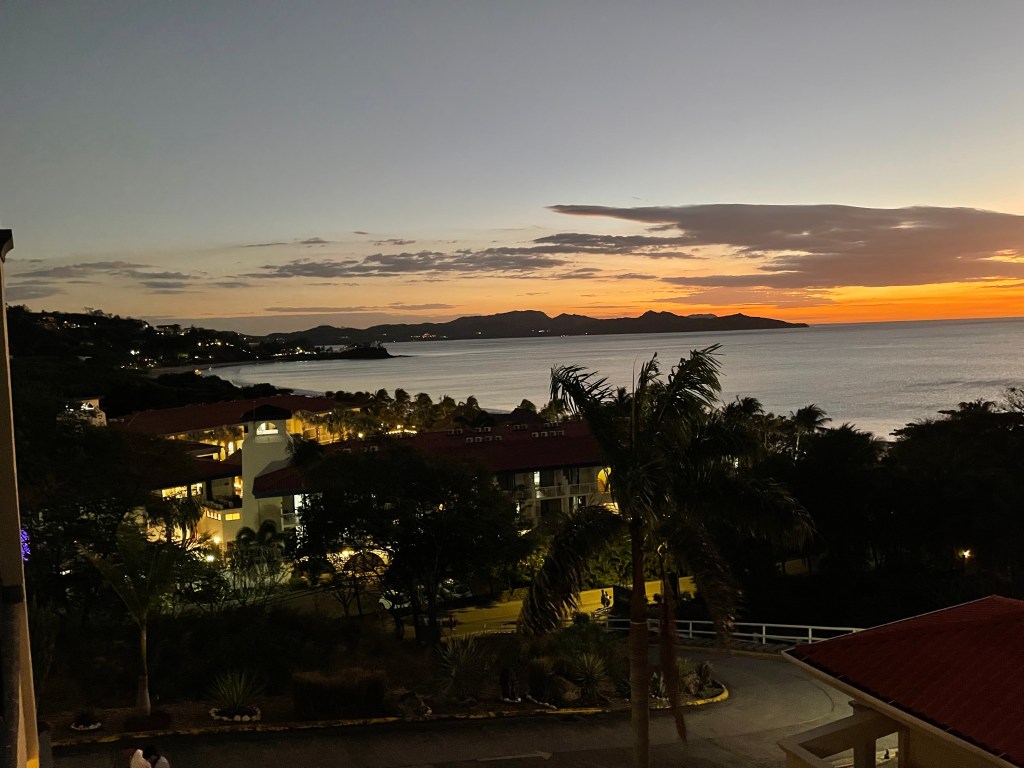
Nestled on the Pacific coast of Costa Rica, Playa Flamingo stands as a testament to the country’s natural beauty and rich history. Known for its pristine beaches, azure waters, and vibrant marine life, Playa Flamingo has evolved from a sleepy fishing village to a sought-after tourist destination. Let’s take a journey through time and explore the captivating history of Playa Flamingo.
Early Days:
Playa Flamingo’s history dates back to the mid-20th century when it was just a quiet fishing hamlet. In the 1950s, the construction of a marina and an airport nearby laid the groundwork for the area’s development. The town was initially named “Flamingo” after the American Flamingo, a migratory bird species that frequents the region.
Tourism Boom:
As the beauty of Playa Flamingo became more widely known, the area experienced a surge in tourism during the latter half of the 20th century. Visitors were drawn to the stunning white-sand beaches and the abundant marine life in the surrounding waters. The development of infrastructure, including resorts, hotels, and restaurants, helped transform Playa Flamingo into a premier destination for travelers seeking sun, sea, and serenity.
Economic Growth:
The tourism boom not only brought more visitors but also contributed significantly to the local economy. Fishing, once the primary livelihood, took a backseat as tourism became the main driver of economic growth. Playa Flamingo became a hub for water-based activities, such as sportfishing, snorkeling, and diving, attracting adventure seekers from around the world.
Environmental Conservation:
Recognizing the importance of preserving the area’s natural beauty, there has been a growing emphasis on environmental conservation in Playa Flamingo. Efforts to protect the delicate marine ecosystems and the surrounding flora and fauna have been implemented to ensure that future generations can continue to enjoy the pristine paradise that is Playa Flamingo.
Modern Amenities and Infrastructure:
In recent years, Playa Flamingo has seen further development of modern amenities and infrastructure to cater to the evolving needs of tourists. Upscale resorts, luxury condominiums, and world-class dining establishments have elevated the town’s profile, making it an attractive destination for those seeking both relaxation and sophistication.
Playa Flamingo’s history is a tale of transformation from a quiet fishing village to a thriving tourist destination. Its evolution reflects the delicate balance between economic development and environmental conservation. Today, Playa Flamingo stands as a testament to the harmonious coexistence of natural beauty and modern luxury. Whether you’re a sun seeker, a water sports enthusiast, or someone in search of a tranquil getaway, Playa Flamingo beckons with open arms, inviting you to explore its rich history and bask in its unparalleled beauty.
You can learn more about things to do around Playa Flamingo here and here.
 A Traveler’s Odyssey
Leave a comment