Nestled on the southwestern coast of Tobago, the picturesque village of Buccoo awaits travelers with its rich history, vibrant culture, and breathtaking natural attractions. From the enchanting Buccoo Reef to the serene Nylon Pool and the secluded paradise of No Man’s Land, this charming destination promises an unforgettable experience.
History of Tobago
Early Inhabitants:
Tobago, the smaller of the two main islands of the Republic of Trinidad and Tobago, boasts a history that stretches back to ancient times. Before the arrival of Europeans, the island was inhabited by various indigenous peoples, including the Kalinago and the Arawaks. These original inhabitants left their mark on Tobago in the form of archaeological sites and artifacts that hint at a vibrant pre-Columbian culture.
European Colonization
Christopher Columbus first sighted Tobago in 1498 during his third voyage to the Americas, but it wasn’t until the 17th century that European powers established a more significant presence. The island became a battleground for control between the Dutch, English, French, and Courlanders (from modern-day Latvia). The Treaty of Breda in 1667 saw Tobago ceded to the Dutch, but it changed hands multiple times, enduring a turbulent period of colonization and conflict.
Plantations and Slavery
Like many Caribbean islands, Tobago became a hub for sugar and cotton plantations in the 18th century, with a heavy reliance on enslaved African labor. The harsh conditions of slavery and constant disputes over control made Tobago a contested territory. The island switched hands between the French and British several times, with the final exchange occurring in 1814 when the Treaty of Paris established British rule, a status that remained until Tobago’s union with Trinidad in 1889.
Emancipation and Post-Slavery Era
The emancipation of slaves in 1834 brought about significant social and economic changes. The decline of the plantation system saw the rise of other industries such as cocoa and fishing. Tobago’s diverse cultural landscape, shaped by African, Indian, European, and indigenous influences, became more pronounced during this period.
Union with Trinidad
In 1889, Trinidad and Tobago were formally unified under British colonial rule. This association continued until the islands gained independence in 1962, becoming the Republic of Trinidad and Tobago in 1976. Tobago, while part of this republic, maintains a degree of autonomy with its own House of Assembly, contributing to the unique identity of the island within the larger national context.
Tourism and Contemporary Tobago
In recent decades, Tobago has evolved into a popular tourist destination, attracting visitors with its pristine beaches, vibrant coral reefs, and lush rainforests. The island’s historical sites, including forts and estates, offer glimpses into its colonial past. Tobago’s history, a tapestry woven with the threads of indigenous cultures, European colonization, slavery, and the struggles for autonomy, provides a profound backdrop to the serene beauty that defines the island today.
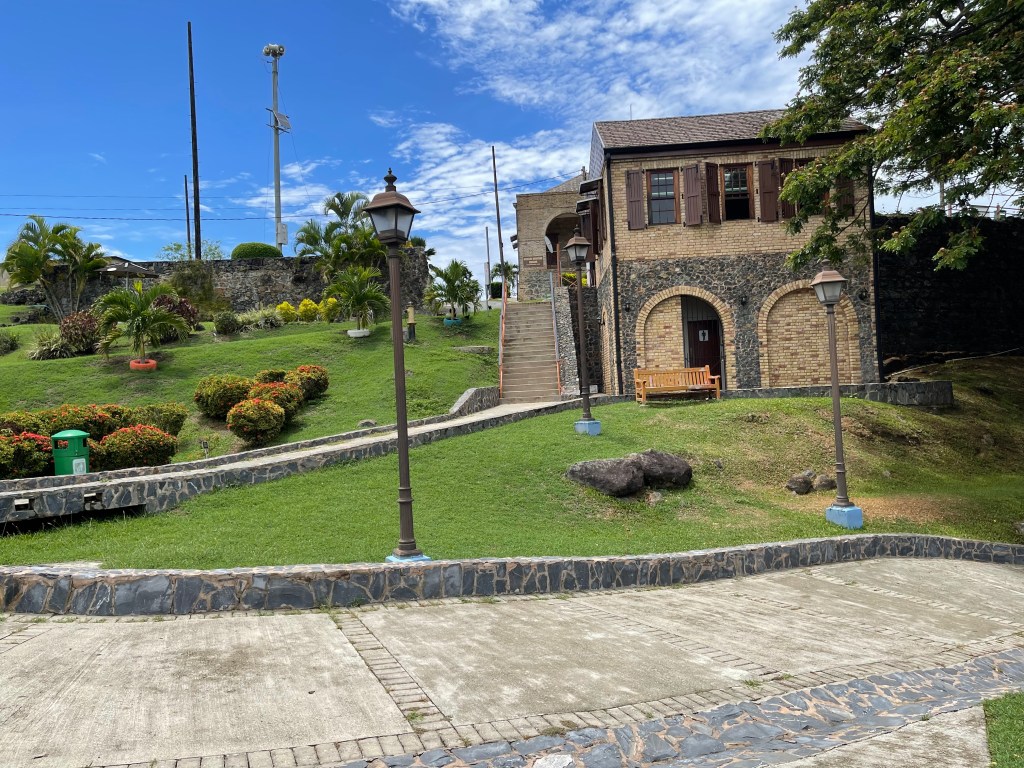
Scarborough, the capital of Tobago, has a rich history that dates back to the early days of European colonization. Originally named “New Scarborough” after the town in Yorkshire, England, the area witnessed the presence of Dutch, Courlander, and English settlers during the 17th century. Its strategic location along the southwestern coast made it a focal point for maritime activities and trade.
Scarborough is not merely a historical relic; it is a vibrant town that embodies Tobago’s cultural diversity. The bustling Scarborough Market, the Scarborough Library, and the vibrant street life reflect the town’s dynamic spirit. Local festivals and events bring the community together, celebrating Tobago’s unique blend of African, European, and Caribbean influences.
Today, Scarborough stands as a charming blend of history and modernity, inviting visitors to explore its streets, historic sites, and vibrant culture while serving as the beating heart of Tobago.
Buccoo, Tobago
Buccoo’s history is as colorful as its coral reefs. The village dates back to the early 18th century, with a heritage deeply rooted in African and East Indian traditions. Visitors can explore remnants of colonial architecture, such as the Buccoo Estate and the Old Courthouse, both offering glimpses into the island’s past. Strolling through the narrow streets, one can feel the echoes of the village’s diverse cultural influences.
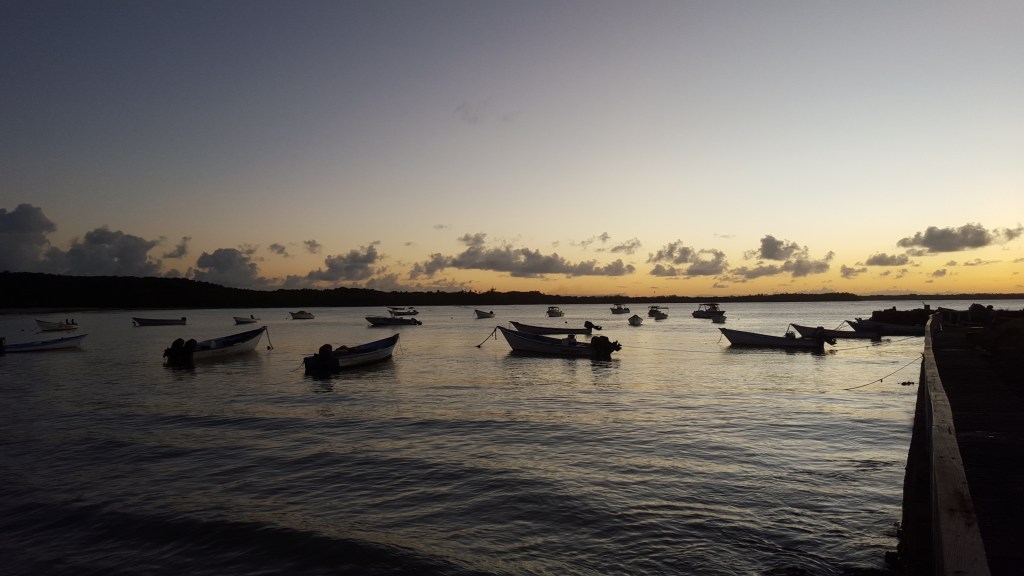
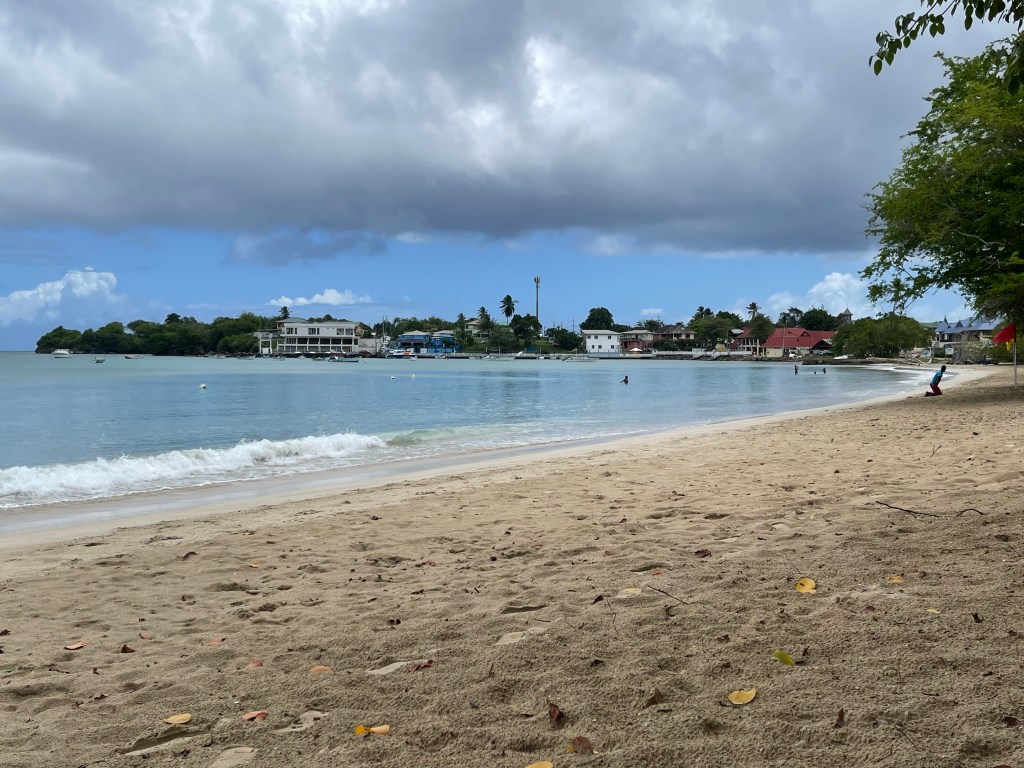
Buccoo Reef:
No visit to Buccoo is complete without a journey into the mesmerizing underwater world of Buccoo Reef. Declared a marine park, this coral wonderland is the largest and most accessible coral reef in Tobago. Snorkeling or taking a glass-bottom boat tour reveals a kaleidoscope of marine life, including colorful coral formations, tropical fish, and even the occasional sea turtle. The vibrant ecosystem and the clear Caribbean waters make Buccoo Reef a haven for nature enthusiasts and underwater explorers alike.
Nylon Pool:
Just beyond Buccoo Reef lies the renowned Nylon Pool, a shallow, crystal-clear pool with a sandy bottom. Legend has it that the water possesses rejuvenating properties, with some locals and visitors believing it can reverse the aging process. Whether or not you subscribe to the mythical tales, the Nylon Pool offers an idyllic setting for a relaxing swim. Surrounded by the azure sea, visitors can bask in the warm Caribbean sun while enjoying panoramic views of the Tobago coastline.
No Man’s Land:
For those seeking tranquility and seclusion, the boat ride to No Man’s Land is a must. A thin strip of sandy bliss nestled between the Caribbean Sea and Buccoo Bay, this uninhabited paradise is a true escape from the hustle and bustle. Visitors can choose to unwind on the pristine beaches, indulge in a beachfront picnic, or explore the mangrove-lined lagoon. No Man’s Land is a testament to the untouched beauty of Tobago, offering a serene respite from the outside world.
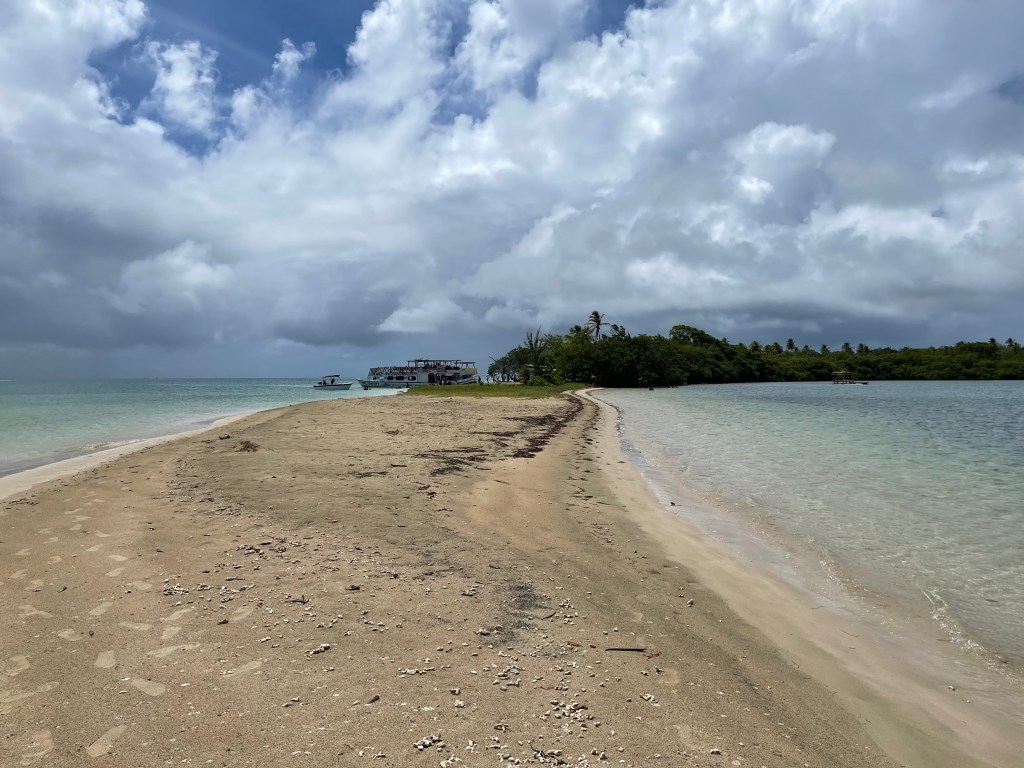
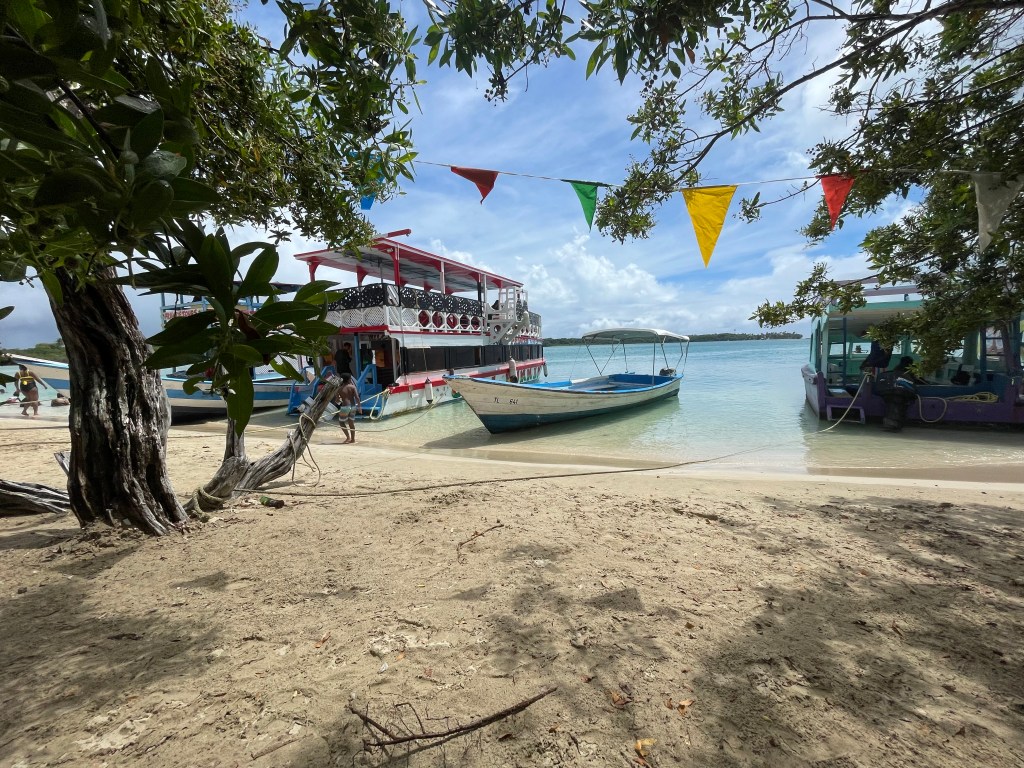
Buccoo, Tobago, seamlessly weaves together history and natural wonders, inviting travelers to embark on a journey of discovery. Whether exploring the vibrant marine life at Buccoo Reef, bathing in the mystical waters of Nylon Pool, or finding solace in the untouched beauty of No Man’s Land, Buccoo promises an experience that lingers in the hearts of those fortunate enough to visit. As the sun sets over this Caribbean gem, the charm of Buccoo remains etched in the memories of those who have ventured into its captivating embrace.
Where to stay
There are Airbnb’s available as well as several guest houses. I have stayed several times at Bellissimo’s Boutique Hotel and truly enjoy the friendly staff.
Feel free to reach out to me if you have more questions about Bucco or Tobago in general.
 A Traveler’s Odyssey
Leave a comment